
مستمرين في سلسلتنا من “استراتيجيات حوكمة تكنولوجيا المعلومات والامتثال: التنقل بين المخاطر والابتكار والضوابط العالمية”، ينتقل الفصل الرابع من النظرية إلى الممارسة، مركزًا على الخطوات العملية اللازمة لتنفيذ حوكمة تكنولوجيا المعلومات واستدامتها بنجاح داخل المنظمة.
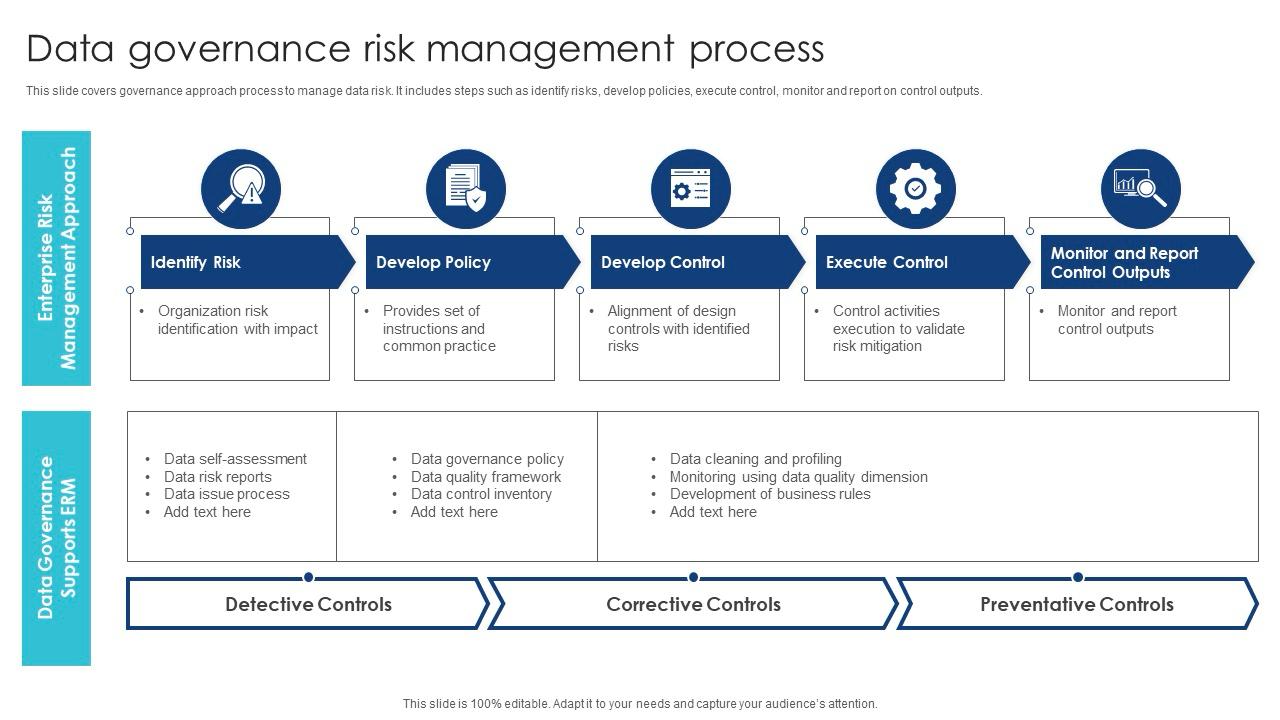
يبدأ التنفيذ الفعال بتوافق قوي بين هياكل الحوكمة واستراتيجية الأعمال الشاملة. يتحقق ذلك من خلال:
- خرائط طريق حوكمة محددة بوضوح تحدد التبني التدريجي والمعالم.
- مؤشرات أداء قابلة للقياس تتبع التقدم، وتظهر القيمة، وتضمن الصلة المستمرة بأولويات المنظمة.
تشمل عوامل النجاح الحرجة:
- تحديد أدوار ومسؤوليات واضحة - من الرعاة التنفيذيين (مثل مديري تكنولوجيا المعلومات الذين يحددون الاتجاه الاستراتيجي) إلى فرق الحوكمة التشغيلية التي تدير التنفيذ اليومي.
- بناء فرق قادرة من خلال التدريب المستهدف، والتمثيل متعدد الوظائف، وتنمية الخبرات المتنوعة في مجالات الحوكمة والمخاطر والامتثال والتكنولوجيا.
- تضمين أفضل الممارسات مثل الرصد المستمر للأداء، والمراجعات المنتظمة، والتعديلات التكيفية للظروف المتغيرة، والتواصل الاستباقي للحفاظ على الزخم والالتزام.
توضيح واقعي: طرحت منظمة تجزئة حوكمة تكنولوجيا معلومات منظمة، مدمجة مبادئ أجايل لدورات قرار أسرع مع الحفاظ على نقاط الامتثال الأساسية. أدى هذا النهج إلى تبسيط شراء تكنولوجيا المعلومات وأولوية المشاريع، مما أدى إلى تقليل التكاليف بنسبة تقريبية 20% من خلال إزالة التكرارات وتحسين تخصيص الموارد - وهو قيم بشكل خاص في البيئات الديناميكية الحساسة للسوق.
لبدء مبادرتك الخاصة، ابدأ بصياغة ميثاق حوكمة رسمي يوضح المبادئ الأساسية، والنطاق، وهياكل المساءلة، وحقوق القرار، ومسارات التصعيد. يوفر هذا الوثيقة التأسيسية الوضوح ويعمل كمرجع طوال التنفيذ.
يقدم الفصل الرابع إرشادات خطوة بخطوة، وقوالب تنفيذ مفصلة، وتمارين عملية، ورؤى حالات إضافية لدعم التطبيق العملي في سياقك.
يختتم هذا الجزء الأساسي من السلسلة حول مبادئ وممارسات حوكمة تكنولوجيا المعلومات. سيعالج المنشور النهائي لوائح حماية البيانات العالمية وتأثيراتها على برامج الحوكمة والامتثال.
ما ستكون (أو كانت) الخطوة الملموسة الأولى لمنظمتك في طرح أو تعزيز حوكمة تكنولوجيا المعلومات؟ أرحب بتجاربك ورؤاك في التعليقات.
كتاب: “استراتيجيات حوكمة تكنولوجيا المعلومات والامتثال: التنقل بين المخاطر والابتكار والضوابط العالمية” متاح على: https://www.eaitsm.org/ver_ar/books.php?mopen=14
اقرأ أجزاء السلسلة
مقدمة | الجزء 1 | الجزء 2 | الجزء 3 | الجزء 4 | الجزء 5
Part 4: Implementing IT Governance in Your Organization
Continuing our series from "Strategies for IT Governance and Compliance: Navigating Risks, Innovation, and Global Controls", Chapter 4 transitions from theory to practice, focusing on the practical steps required to successfully implement and sustain IT governance within an organization.
Effective implementation begins with strong alignment between governance structures and overarching business strategy. This is achieved through:
- Clearly defined governance roadmaps that outline phased adoption and milestones.
- Measurable KPIs that track progress, demonstrate value, and ensure ongoing relevance to organizational priorities.
Critical success factors include:
- Defining clear roles and responsibilities—from executive sponsors (e.g., CIOs setting strategic direction) to operational governance teams managing day-to-day execution.
- Building capable teams through targeted training, cross-functional representation, and cultivation of diverse expertise in governance, risk, compliance, and technology domains.
- Embedding best practices such as continuous performance monitoring, regular reviews, adaptive adjustments to changing conditions, and proactive communication to maintain momentum and buy-in.
Real-world illustration: A retail organization rolled out structured IT governance, incorporating agile principles for faster decision cycles while retaining essential compliance checkpoints. This approach streamlined IT procurement and project prioritization, delivering approximately 20% cost reductions through eliminated redundancies and improved resource allocation—particularly valuable in dynamic, market-sensitive environments.
To launch your own initiative, start by drafting a formal governance charter that articulates core principles, scope, accountability structures, decision rights, and escalation paths. This foundational document provides clarity and serves as a reference throughout implementation.
Chapter 4 delivers step-by-step guidance, detailed implementation templates, practical exercises, and additional case insights to support hands-on application in your context.
This concludes the core series on IT governance principles and practices. The final post will address global data protection regulations and their implications for governance and compliance programs.
What will be (or was) your organization’s first concrete step in rolling out or strengthening IT governance? I welcome your experiences and insights in the comments.
Book: "Strategies for IT Governance and Compliance: Navigating Risks, Innovation, and Global Controls" is available at: https://www.eaitsm.org/ver_en/books.php?mopen=14
Read Series Parts
Intro | Part 1 | Part 2 | Part 3 | Part 4 | Part 5