
مستمرين في سلسلتنا من “استراتيجيات حوكمة تكنولوجيا المعلومات والامتثال: التنقل بين المخاطر والابتكار والضوابط العالمية”، يقدم الفصل الثالث نظرة شاملة على الإطارات الأكثر شهرة التي توجه حوكمة تكنولوجيا المعلومات الفعالة.
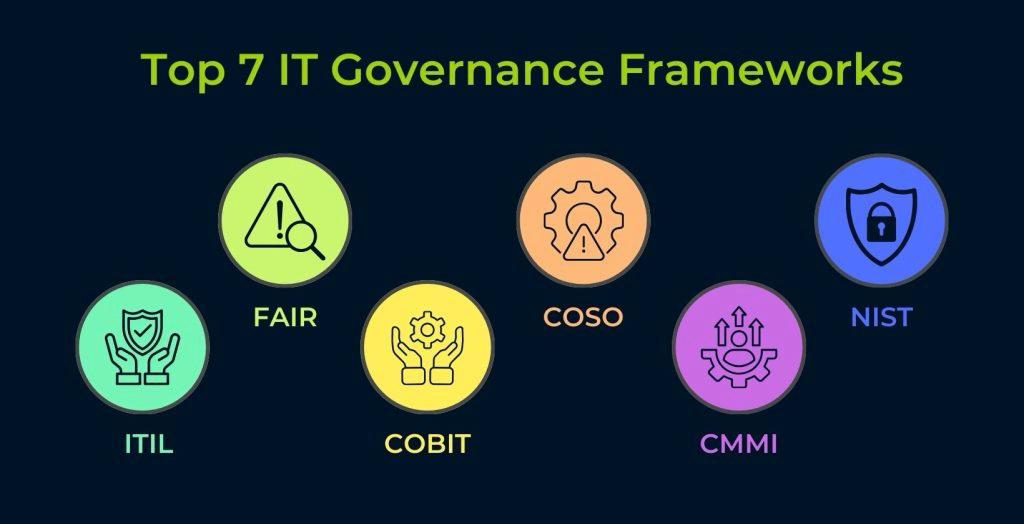
لن تكتمل مناقشة شاملة لحوكمة تكنولوجيا المعلومات دون فحص هذه النماذج المعترف بها، حيث يقدم كل منها قوى فريدة مصممة لأولويات منظمية مختلفة:
- COBIT (أهداف الرقابة للمعلومات والتكنولوجيا ذات الصلة): يركز على أهداف الحوكمة والإدارة، ويقدم تقييمات نضج العمليات وقدرات إدارة مخاطر قوية.
- ITIL (مكتبة بنية تكنولوجيا المعلومات): يركز على أفضل ممارسات إدارة الخدمات، ويدفع تحسينات في تسليم الخدمات والكفاءة ورضا العملاء.
- ISO/IEC 38500: يقدم مبادئ عالية المستوى لحوكمة الشركات لتكنولوجيا المعلومات، ويوجه المجالس والتنفيذيين في توجيه وتقييم ورصد تكنولوجيا المعلومات لضمان التوافق مع أهداف المنظمة.
- NIST (إطارات معهد المعايير والتكنولوجيا الوطني، خاصة إطار الأمن الإلكتروني): يؤكد على إدارة مخاطر الأمن الإلكتروني، ويقدم نهجًا منظمة لحماية الأصول الحرجة والرد على التهديدات.
- CMMI (نموذج تكامل نضج القدرات): يقيم ويحسن نضج العمليات عبر المنظمة، ويدعم التحسين المستمر للقدرات المتعلقة بتكنولوجيا المعلومات.
تطبيق واقعي: نجحت منظمة رعاية صحية في دمج NIST لمرونة الأمن الإلكتروني وCOBIT للرقابة الشاملة. بعد تحليل فجوات شامل، أولووا NIST لمواجهة التهديدات الإلكترونية المتطورة مع الاستفادة من COBIT لتعزيز الحوكمة على مستوى المؤسسة. أدى هذا النهج الهجين إلى تقليل حوادث الأمن بنسبة تقريبية 30% وضمان الامتثال المستدام مع اللوائح الصارمة مثل ما يعادل HIPAA.
يجب أن يبدأ اختيار الإطار دائمًا بتقييم صادق لاحتياجات منظمتك الخاصة، وسياق الصناعة، والحجم، ومستوى النضج، والأولويات الاستراتيجية - بشكل مثالي من خلال تحليل فجوات منظم.
للمقارنات المفصلة، وأدوات الاختيار، وإرشادات التنفيذ، والتمارين العملية، والدراسات الحالة الأعمق، راجع الفصل الثالث.
التالي في السلسلة: استراتيجيات فعالة لتنفيذ حوكمة تكنولوجيا المعلومات.
أي إطار حوكمة تكنولوجيا معلومات تعتمد عليه أكثر في منظمتك، وما الذي يجعله الأنسب لسياقك؟ شارك رؤاك في التعليقات.
كتاب: “استراتيجيات حوكمة تكنولوجيا المعلومات والامتثال: التنقل بين المخاطر والابتكار والضوابط العالمية”
متاح على: https://www.eaitsm.org/ver_ar/books.php?mopen=14
اقرأ أجزاء السلسلة
مقدمة | الجزء 1 | الجزء 2 | الجزء 3 | الجزء 4 | الجزء 5
Part 3: Major Frameworks for IT Governance
Continuing our series from "Strategies for IT Governance and Compliance: Navigating Risks, Innovation, and Global Controls", Chapter 3 provides a comprehensive overview of the most widely recognized frameworks that guide effective IT governance.
A thorough discussion of IT governance would be incomplete without examining these established models, each offering unique strengths tailored to different organizational priorities:
- COBIT (Control Objectives for Information and Related Technology): Focuses on governance and management objectives, delivering process maturity assessments and robust risk management capabilities.
- ITIL (IT Infrastructure Library): Centers on service management best practices, driving improvements in service delivery, efficiency, and customer satisfaction.
- ISO/IEC 38500: Provides high-level principles for the corporate governance of IT, guiding boards and executives in directing, evaluating, and monitoring IT to ensure alignment with organizational goals.
- NIST (National Institute of Standards and Technology frameworks, particularly Cybersecurity Framework): Emphasizes cybersecurity risk management, offering structured approaches to protect critical assets and respond to threats.
- CMMI (Capability Maturity Model Integration): Assesses and improves process maturity across the organization, supporting continuous enhancement of IT-related capabilities.
Real-world application: A healthcare organization successfully integrated NIST for cybersecurity resilience and COBIT for overarching controls. Following a thorough gap analysis, they prioritized NIST to address evolving cyber threats while leveraging COBIT to strengthen enterprise-wide governance. This hybrid approach reduced security incidents by approximately 30% and ensured sustained compliance with stringent regulations such as HIPAA equivalents.
Framework selection should always begin with an honest assessment of your organization’s specific needs, industry context, size, maturity level, and strategic priorities—ideally through a structured gap analysis.
For detailed comparisons, selection tools, implementation guidance, practical exercises, and deeper case studies, refer to Chapter 3.
Next in the series: Effective strategies for implementing IT governance.
Which IT governance framework do you rely on most in your organization, and what makes it the best fit for your context? Share your insights in the comments.
Book: "Strategies for IT Governance and Compliance: Navigating Risks, Innovation, and Global Controls" is available at: https://www.eaitsm.org/ver_en/books.php?mopen=14
Read Series Parts
Intro | Part 1 | Part 2 | Part 3 | Part 4 | Part 5